

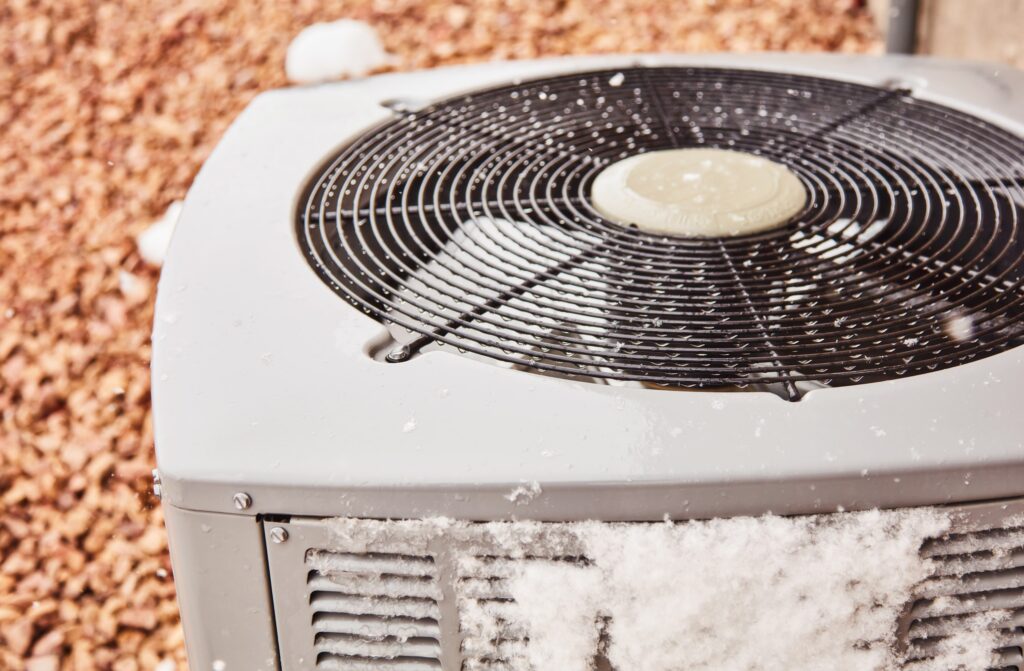
Kansas City winters bring temperature fluctuations, strong north winds, and fast-moving storms. Those conditions can push branches, twigs, and leaves across yards and toward condensers. Homeowners in the area often assume a cover prevents winter damage, yet this decision requires careful consideration. A full wrap can trap moisture, slow natural drying, and encourage corrosion. It can also attract pests seeking warm shelter. First Mate Heating & Cooling is here to answer the question, “Should I cover my AC in winter?” We want you to make an informed decision regarding a cover for your air conditioning in winter in Kansas City.
Pros and Cons of Covering an AC
Winter protection raises questions because condensers face wind, debris, and freezing moisture throughout the season. Some homeowners consider full wraps, while others rely on light top covers. Each option affects airflow, drying, and corrosion issues in different ways. These issues can impact the health of your unit’s internal components. Understanding these tradeoffs prevents accidental damage and ensures proper winter conditioning.
Debris Protection vs. Trapped Moisture, Corrosion, and Pest Nesting
Covering the condenser’s top shields internal areas from debris during late-fall storms. It stops leaves from dropping into the fan assembly and reduces buildup that blocks drainage channels. It also limits twig accumulation.
A light top cover can prevent large icicles from striking the fan guard and protect the motor housing from heavy ice sheets. These benefits help prevent debris compression during freeze-thaw cycles.
However, when you cover an air conditioner in winter in Kansas City, there are risks. Sealed vinyl traps moisture that settles around coil fins and electrical parts. This moisture accelerates corrosion on exposed steel and encourages fungal growth on damp fins.
Wrapped units form warm pockets that attract rodents looking for shelter. Nesting debris can block wiring paths and increase fire risks. A full cover restricts the airflow needed for natural drying. Without airflow, condensation pools under panels, causing damaging rust. These problems increase repair frequency and shorten equipment life.
What to Cover (Top) vs. What to Leave Exposed
While keeping your AC unit covered offers protection, it needs to be the right type of cover. Top covers are best, but it’s important they offer a precise fit so that they can stay in place. Although top covers offer protection, you should lift them periodically to check for debris inside. This method aligns with manufacturer recommendations and condenser design features.
Breathable Top Covers Only; Keep Side Panels Open for Airflow
A top-only cover works best for Kansas City conditions. Breathable fabrics allow moisture to escape while blocking downward debris. This approach protects the upper grille without suffocating the coil fins.
Open sides maintain airflow around the cabinet and prevent moisture buildup. Natural airflow dries interior spaces after snowfall and prevents corrosion. Ventilation also helps reduce temperature fluctuations inside the housing. Exposed sides let ice and snow melt evaporate rather than freeze against components.
Top covers should never contact fins directly. They should fit snuggly without sagging, since pooled water accelerates corrosion. A proper fit prevents wind lift during winter gusts. Top protection also avoids issues linked to rigid, full coverage that traps humidity.
Breathable materials release vapor and reduce fungal growth. Open-panel airflow protects the wiring housing, helping prevent premature deterioration. Maintaining ventilation supports internal drying after fog or sleet passes.
Heat Pumps vs. Traditional ACs
Heat pumps operate year-round, so airflow must remain unrestricted. Covers block airflow through the coil, disrupting heating cycles. Restricted airflow forces the refrigerant system to operate under strain. A strained refrigerant system can shorten your heat pump’s lifespan, leading to irreparable damage.
The unit then triggers defrost cycles more frequently, reducing heating efficiency. Insulating covers also trap moisture around active components, which increases icing during operation. This trapped moisture freezes against panels and disrupts performance.
Covers interfere with the frost-shedding process during defrost cycles. Heat pumps depend on constant airflow to remove frost and maintain stable coil temperatures. Covers alter internal temperatures and disrupt sensor readings. They also encourage ice bonding on outer surfaces during cold snaps. This bonding increases stress on panels and fasteners. Blocked airflow strains the compressor, which shortens system life.
Simple Off‑Season Maintenance
End-of-season maintenance prevents winter deterioration. There are some things you can handle yourself, and some need professional services. Following these steps can help you protect your outdoor unit and prevent damage.
Clear Leaves, Rinse Coils, Check Pad Level, Schedule Spring Tune‑Up
Begin by clearing leaves and debris from the perimeter. Debris traps moisture, increasing the risk of corrosion around the base. Rinse the coils with low-pressure water to remove dust before winter storms. Clean fins shed frost more evenly and resist moisture-related corrosion. Clear drain channels to maintain winter drying.
It’s essential to check the pad level. It can become uneven over time due to shifting soil. A level base prevents line strain during temperature fluctuations. Tighten any loose panel screws to reduce rattling and protect internal wiring routes.
Remove sediment near the foundation to reduce moisture pooling. You should also trim overhanging tree branches to prevent falling debris during storms. Keep the area tidy to discourage rodents. Additionally, you can inspect insulation on refrigerant lines for cracks or wear.
Our technicians check every part of your unit to prepare it for winter. We will check the disconnect box to ensure it remains sealed. We’ll also ensure the guard panels remain secure after autumn wind events.
Professional maintenance adds a deeper level of protection. Our technicians check refrigerant levels, verify coil condition, and test electrical resistance on essential components. We will measure airflow performance to detect hidden obstructions. Our team will also clean and straighten the fins.
Spring tune-ups reveal corrosion that formed during the winter freeze-thaw cycle. Early detection prevents failures during those first hot weeks of summer, when your system’s strain increases. Professional cleaning restores efficiency after winter dust accumulation, ensuring normal function. We will protect your AC condenser from winter weather damage and ensure it’s ready in the spring.
Our technicians also ensure safe startup conditions after long idle periods. This inspection confirms that no pests damaged wiring during the winter. Regular service strengthens reliability and protects the system during peak summer loads. Maintenance also ensures your warranty remains valid, should something go wrong.
Next Steps
Winter protection works best when homeowners combine selective coverage, seasonal cleaning, and professional maintenance. Top-only covers block falling debris without causing trapped moisture. Open side panels allow steady airflow, preventing corrosion and supporting natural drying. Heat pump owners should avoid installing any covers, as these systems require continuous airflow to heat efficiently. If you want to winterize an ac unit, it’s best to contact First Mate Heating & Cooling. Our professionals offer comprehensive HVAC services, including installation, maintenance, and repairs.
Protect your air conditioner the right way! Contact First Mate Heating & Cooling to schedule tune-up service in spring or fall.