
When you occasionally run out of hot water, it’s usually not a major issue. However, when it happens continuously, that’s a warning sign that you have a problem with your water heater or that something else is wrong with your plumbing. Learning more about the possible causes can help you make informed decisions for your home.

Common Reasons for Hot Water Supply Issues
When your hot water runs out fast, it’s often due to a water heater issue. Since the appliance operates year-round, it’s at risk for significant wear and tear. It’s one of the reasons we recommend scheduling annual plumbing maintenance. Whether it’s due to normal use or another reason, there are several potential causes for your hot water supply running out quickly.
Undersized Water Heater
Your water heater needs to be the proper size for your household. For example, let’s say you have a large family and move into a home where the appliance is sized for two people. The current setup could lead to problems. More people are using the hot water, which increases demand, and the current unit can’t keep up. Upgrading to a larger-capacity water heater with a higher recovery rate could be your best option.
Your Hot Water Needs Changed
Your hot water may run out faster if there was a change in hot water needs within your household. For example, maybe you have a few guests staying with you over the holidays, but your water heater is designed for a home of two. Another possibility is that you recently incorporated a hot water-using appliance like a dishwasher or washing machine. If the situation is temporary, you might just want to wait it out. However, if the change is permanent, such as the extra appliances, you may want to think about upgrading the water heater.
Simultaneous Hot Water Usage
Even if you have a water heater that’s the ideal size for your household, simultaneous hot water usage could lead to an issue. For instance, you might have two people running two different showers simultaneously while you’re using the dishwasher and washing machine. Consider spacing out when people use the hot water in your home so it’s less likely to run out.
Sediment Buildup in the Water Heater
Sediment buildup is a major cause of hot water running out. When the sediment accumulates at the bottom of the tank, it can block the heating element from doing its job effectively. You should ideally have a professional plumber flush your water heater once a year. If you have hard water, live with three or more people, or have old plumbing, book an appointment every six months.
Water Heater Thermostat Issue
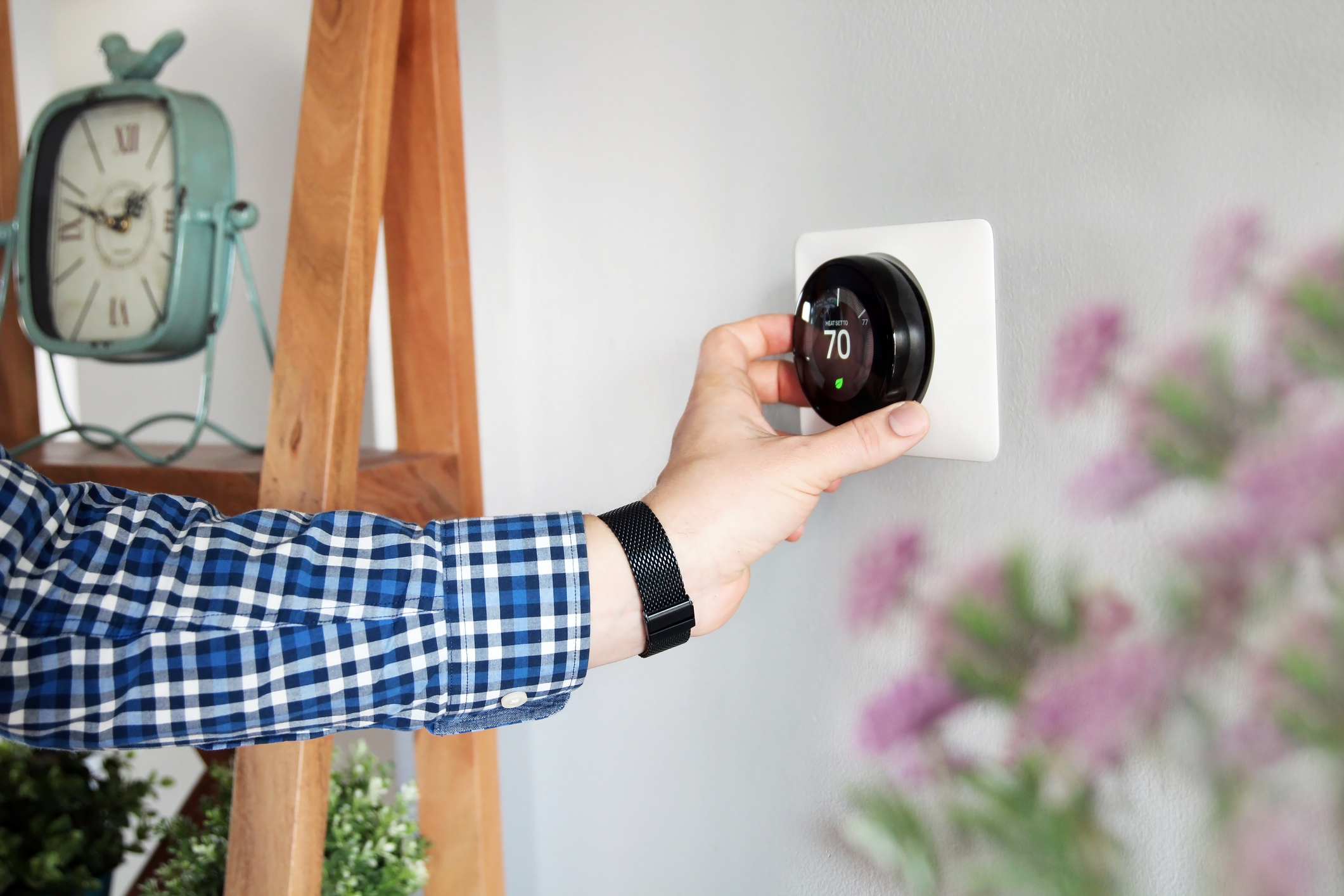
If the thermostat is set too low, you might experience hot water problems. Water heaters are usually set to 120 degrees Fahrenheit. Lower temperatures can encourage bacterial growth in the tank, while temperatures of 140 degrees or higher could result in burns. A temperature of 120 degrees is usually considered the happy medium.
A thermostat that’s set to the correct temperature while you’re lacking adequate hot water may be malfunctioning. It needs professional attention to determine what the issue is and how to rectify it.
Aging Water Heater
Water heaters become less efficient as they age. Tank water heaters usually last between 8 and 12 years. However, several factors influence their longevity, including the maintenance frequency and the quality of the installation. Once they reach age 8, efficiency usually starts decreasing, which may translate into hot water running out faster than normal. If the situation is due to age, the problem will likely continue to worsen until you replace the appliance. In the meantime, you might want to reduce your hot water usage. For instance, you can take shorter showers and only run your dishwasher when it’s full instead of with partial loads.
Leaking Pipe
A leak in your plumbing system could be another reason your hot water runs out unusually fast. It causes the tank to run out of hot water faster than it can replenish it. Other signs you may have a leak include reduced water pressure, musty odors, and unusually high water bills. Prompt attention is crucial, not just for the sake of the hot water issue but because of the leak getting worse.
There’s a significant risk of mold growth the longer the issue continues. Under the right conditions, mold can start growing within 24 to 48 hours. It’s especially problematic if the leak is happening behind the walls where it’s difficult to notice. This means the mold could go unchecked longer, putting your health, home, and well-being at risk.
Broken Dip Tube
A dip tube is a component inside your water heater. It carries incoming cold water from the inlet at the top of the water heater tank down toward the heating element at the bottom. This helps keep the hot water toward the top of the tank and the cold water at the bottom. When the dip tube breaks, it can’t do its job effectively. The cold and hot water can mix at the top, resulting in cold or lukewarm water rather than hot water. This component is typically easy to replace, and if all goes well, you’ll likely experience normal hot water use once again.
Broken Heating Element in an Electric Water Heater
The heating element(s) heat the water within the electric water heater. If one of the heating elements fails, it may reduce or completely stop hot water production. It needs to be replaced by a professional plumber to restore adequate hot water to your home.
Do I Definitely Need to Replace My Water Heater?
You don’t necessarily need to replace the appliance if you’re experiencing hot water running out quickly. Depending on the situation, a repair, such as replacing a component, may suffice. Our plumbers can assess the situation and identify the cause of the problem to determine an appropriate solution.
When Is the Situation Actually a Problem?
Hot water running out fast becomes an issue when it repeatedly happens. This usually means there’s an underlying problem, such as sediment buildup, that needs fixing. We don’t recommend attempting to locate and identify the cause yourself. Our team has the skills and professional equipment to handle the situation quickly and effectively.
What to Do When the Hot Water Keeps Running Out
Try potential solutions like taking shorter showers and spacing out your hot water usage to see if that helps the situation. If it doesn’t, you should call our team for an expert assessment. Avoid delaying assistance. If the cause is an issue like a leak, the problem can continue to worsen the longer it goes unaddressed.
Restore Your Hot Water Today
Don’t let a lack of hot water continue to negatively impact your household. First Mate Heating & Cooling offers water heater repairs and inspections in Lee’s Summit, MO. Call today to schedule an appointment or book services online. Before booking an appointment, make sure to ask us about our Captain’s Club Membership.